




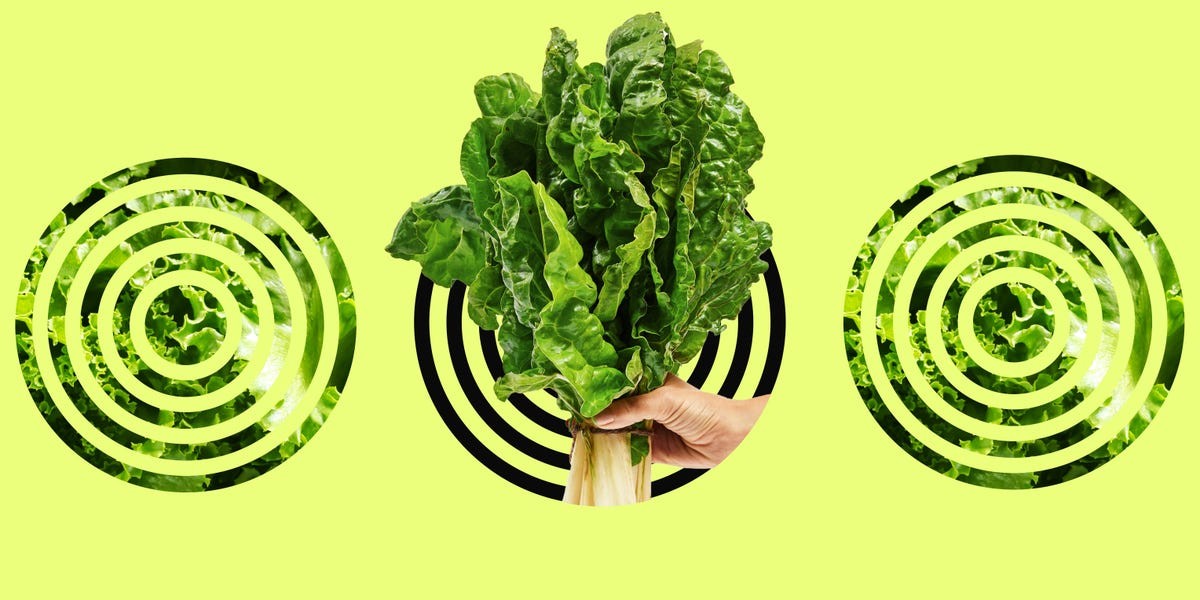
Lettuce isn’t safe right now. At least not the shredded kind at Taco Bell.
The CDC has confirmed 1,644 cases of cyclosporiasis linked to iceberg lettuce served in Indiana, Kentucky, Michigan, Ohio. West Virginia. Another 5,100 people are under review. That is a lot of stomach pain for a Tuesday lunch.
You might be side-eyeing every salad in your grocery store aisle. Smart. The bug? Cyclospora cayetanensis. A microscopic parasite. It likes your guts. It gets there when feces contaminate food or water. It does not pass easily from person to person. The incubation period is long—about a week. Too long for casual spread. But the diarrhea? Watery. Intense. Real.
How do you navigate this without living off of bread? Here is what the infectious disease experts say about the cyclosporiasis symptoms and transmission.
Зміст
Can you get infected in a pool?
You could. Probably won’t. But you could.
Vincent Hsu, MD from AdventHealth, says the parasite needs days in the water to become infective. If you dive in right next to someone having diarrhea? You’re fine. But swallow that water. Don’t do that.
Here is the kicker.
Cyclospora survives chlorine.
Normal pool chlorination doesn’t reliably kill it, says Suraj Saggar, DO at Holy Name Medical Center. It is hardy. It laughs at routine cleaning. If it’s your private pool and no one is vomiting? Low risk. Public splash pads? High risk. Too many bodies. Too much water shared.
Do standard stool tests catch cyclosporiasis?
Sometimes. No, not always.
The parasite hides. Or rather. It doesn’t shed constantly in every sample. Manish N. Trivedi from AtlantiCare warns you might need multiple stool specimens. One test negative? Doesn’t mean you’re clear. Doctors might order a special polymerase chain reaction (PCR) test. Standard panels miss it. Push for the specific test if your diarrhea lingers past day five.
Is it norovirus or cyclosporiasis?
Good question. They feel similar. Both make you hate existence.
But the duration differs. Amesh A. Adalja from Johns Hopkins points out norovirus is short and violent. Vomiting dominates. Quick start. Quick finish. Usually.
Cyclosporiasis drags on. Gradual onset. Watery diarrhea for days. Weeks. Maybe longer. You get bloated. Fatigue sets in. Appetite vanishes. Weight loss follows. If you feel like you’ve been running a marathon inside out for two weeks? It might not be just a bug. It might be cyclospora. Testing is the only way to know.
Does freezing your food kill the bug?
Your home freezer? No.
Putting contaminated spinach in your freezer for dinner tonight? The parasite laughs. Amesh A. Adadja explains industrial freezers can hit low temps for long periods. Your kitchen fridge/freezer combo cannot.
Suraj Saggar notes the math. You need temperatures around 24°F for 24 to 44 hours to inactivate the parasite. You don’t have the patience or the freezer for that. Heat works better. The Michigan Department of Health says 158°F or higher kills Cyclospora. Cook your food. Wash your hands. Don’t gamble with frozen berries if they look suspect.
Is farmers market produce safer?
Maybe. Probably not entirely.
Adalja notes domestic farms don’t typically irrigate with sewage. Theoretically. Less travel distance means fewer contamination points. But. Dr. Trivedi warns contamination happens everywhere. Growing. Harvesting. Handling. One infected handler ruins a crate.
Buy from vendors you trust. Look at the produce. Avoid anything damaged. Wash everything under running water. Scrub if you can. Farmers market doesn’t mean immune. It just means the risk profile changes slightly.
Will your dog catch it?
No.
Good news for the pup. Cyclospora cayetansensis is an exclusive human pathogen. CDC guidance says no animal reservoirs exist. Your dog isn’t a host. He is innocent.
But he still has fleas. And feces. And other GI bugs that love humans. Trivedi reminds us: Wash hands after petting animals. Especially after cleaning up the business end. Don’t assume your dog is sterile.
What now?
If you are sick? Call a doctor. This is a nationally notifiable disease. Positive results go straight to health departments. That data stops the next outbreak. It tracks the source. It helps the FDA and CDC find the contaminated batch.
Wash your hands. Watch what you eat. And maybe skip the salad bar until the headlines die down.