




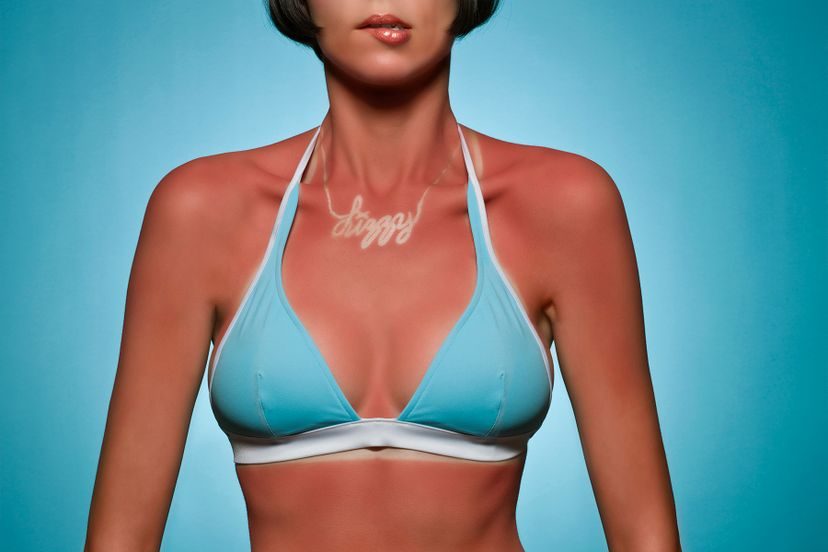

There is a quiet mystery to the relationship between sunlight and skin. Step out on a blistering July afternoon for just an hour, and you are likely to end up red, raw, and regretting your life choices. That is the default outcome. But if you took the time to build a gradual tan? You can stand in that same heat with zero reaction. It feels like magic, or perhaps unfair luck. Of course, this protection vanishes if you fall into the “fair skin” category. For many, the idea of tanning is biologically impossible. They burn. Every single time. Unless, of course, they apply a layer of sunscreen.
Does that logic hold up? What exactly is a sunscreen doing on your face? What is a tan, really? And why does a simple blob of lotion offer a shield while forgetting it leaves you miserable and peeling?
If you slow down and examine the interaction between UV rays and epidermis in detail, the chaos starts to make sense. You can learn a surprising amount about your own biology in the process. That is the goal here. Let’s start from the ground up.
Зміст
Understanding Skin as an Organ
We rarely think of skin as an organ. It is too broad. Too obvious. It is not a distinct, boxy shape like a heart, liver, or kidney sitting inside a cavity. But by the strict definition found in standard medical dictionaries, skin qualifies without question.
An organ is a differentiated structure made of cells and tissues that performs a specific function. Skin meets this criteria. It acts as the definitive boundary between “you” and the rest of the world. It is not passive. It is active.
This distinction matters because skin is the only organ that constantly deals with the raw, unfiltered real world. It does not live in a protected vacuum. It faces abrasion, temperature swings, bacteria, and yes, sunlight. Because of this exposure, skin is loaded with sensors. It is built with a tough, layered design. It is engineered to handle reality.
The Mechanism of Protection
This leads us back to the sun. The difference between a tan and a burn is not just pigment. It is a biological response. A tan is a defense mechanism. Your body produces melanin to absorb UV radiation and protect deeper layers of DNA from damage. It is a slow process. It takes time.
A burn is inflammation. It is the result of cellular damage outpacing repair. It is the body’s alarm system screaming that the barrier has been compromised.
Sunscreen works by sitting on top of this barrier. It reflects or absorbs UV rays before they can trigger the burn response or, in some cases, stimulate the melanin production that leads to a tan. It is a physical or chemical shield. Without it, the skin must rely on its own biological defenses, which, for fair-skinned individuals, are often insufficient against intense exposure.
Why This Matters for Your Routine
Understanding this mechanism changes how you approach sun care. It is not just about preventing a painful afternoon. It is about protecting the integrity of your largest organ. The layered design of skin is robust, but it has limits.
“Skin is the boundary between you and the world. It is loaded with sensors and designed to handle abrasion and sunlight.”
When you apply sunscreen, you are extending the capabilities of that design. When you allow a gradual tan, you are allowing your body to reinforce its natural defenses. Both are valid strategies. Neither is “better” in a moral sense
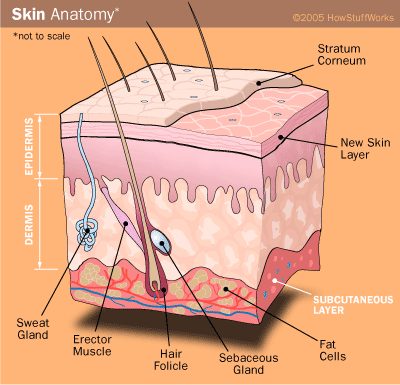
Peeling off the surface of your arm or leg reveals a surprising amount of infrastructure. It’s not just a flat sheet. It consists of two main floors. The epidermis is located outside. It acts as a shield. Below this is the dermis. This is the engine room.
Nerve endings, sweat glands, hair follicles and muscles are all located in the dermis. It is the working layer. Above this is the subcutaneous layer. Subcutaneous fat lives here. It also has blood vessels. You can see them on the graphs as thin red and blue lines. These vessels branch endlessly. They dive into the dermis. They supply sweat glands. They support hair follicles. They reach the sebaceous glands and erector muscles, which cause goosebumps on the skin.
The dermis is thick with capillaries. These small vessels serve two purposes. They provide skin cells with nutrients. They help to cool the body. People rely on this system for temperature regulation. The epidermis has no direct blood supply. It floats on top. It is fed by the underlying dermis.
“The dermis is full of capillaries. The capillaries cover the nutritional needs of the skin cells and also help the skin perform an important cooling function in humans.”
Sensing the World
Functionally, the dermis is where life happens. It contains hardware that allows you to interact with reality. Small muscles attach to the hair follicle. Pull on it and your hair will stand on end. Nerve endings are scattered everywhere. They are special. They don’t all do the same thing.
They have heat-sensitive nerves. You have cold-sensitive ones. Pressure-sensitive endings tell you where you’re touching. Nerves sensitive to itching warn of irritating substances. Pain-sensitive endings protect you from damage. They scream when you’re about to get burned or pierced. They are your first line of defense.
The epidermis is the interface. It’s the part of you that the world sees. But it is layered. The inner layer is alive. The outer layer is dead. Dead cells are constantly flaking off. New cells rise from below and replace them. This is the cycle of renewal.
Malpighian layer and stratum corneum
The living inner layer of the epidermis is called the Malpighian layer. It directly touches the dermis. The dermis nourishes it. This is the level we really care about when we talk about the sun. This is where the tanning happens.
The Malpighian layer has its own structure.
- Basal layer: The lowest level. It sits directly on the dermis. If you’ve heard of basal cell carcinoma, it starts here.
- Spinous layer: Above the base layer.
- Granular layer: Above the spinous layer.
Above this is the stratum corneum. This is the outer shell. It consists of dead cells. These are the cells you see. They are full of a protein called Keratin.
Keratin is hard. It’s the same with your horns, hair, hooves, nails and feathers. Your visible skin is made of the same material. It’s just thinner and more flexible. That’s why your skin won’t crack. The stratum corneum is thicker on the palms and feet. These areas are heavily stressed. You need extra armor.
Melanocytes and the truth about tanning
Melanocytes live among the basal cells. These cells produce melanin. Melanin is the pigment that gives the skin its color. It is also a source of tanning.
Many people think that tanning means increasing melanocytes. That is not the case. The number of melanocytes is approximately the same in all races. About 1,000 to 2,000 per square millimeter. There are as many blondes as dark skinned people.
The difference is activity.
“When the skin tans when exposed to the sun, the number of melanocytes does not increase, only their activity.”
The color difference is due to two things. How much melanin is produced? And the nature of the pigment granules. The reddish color of blood vessels plays a minor role. But melanin is the most important factor.
Melanocytes are also the site of melanoma. This is a serious form of skin cancer. It is caused by damage caused by UV radiation. Repeated exposure to UV rays can trigger mutations in these cells. The same cells that protect you from burns can turn into cancer if the damage is too extensive.
This is why it is important to understand your dermis and epidermis. It’s not just biology. It’s all about how your body deals with stress. And how it reacts to the sun.
Beyond the Surface: What Your Dermis Is Actually Doing
The dermis isn’t just filler. It’s the busy, functional heart of your skin. This is where sweat glands, hair follicles, and nerves live. Each follicle has a tiny muscle attached—yes, that’s why goosebumps happen. But the real story is in the nerves.
You have specific sensors for heat, cold, pressure, itch, and pain. They work together to keep you alive. They warn you before a burn or puncture does real damage. Without them, you’d be oblivious to your own destruction.
The Epidermis: Living and Dead Layers
Your epidermis is the interface. It sounds simple, but it’s layered. The outer layer is dead skin cells. The inner layer is alive. The dead cells flake off constantly. New cells push up from below to replace them.
The living inner section is called the malpighian layer. It touches the dermis directly. The dermis feeds it. Support it. The malpighian layer is where the sun hits first during a tan. It’s structured in steps:
- Basal layer: This is the bottom. Directly above the dermis. This is where basal cell carcinoma starts.
- Spinous layer: Sits right on top of the basal layer.
- Granular layer: Above the spinous cells.
- Stratum corneum: The top. The visible dead cells.
These cells are packed with keratin. Keratin is tough. It gives strength to your horns, hair, hooves, nails, and feathers. Your skin uses the same protein. Just in a thinner, more flexible sheet. On your palms and soles, this layer is thicker. Friction demands it.
Who Makes Your Color? Melanocytes
Inside the basal layer live melanocytes. These cells produce melanin. Melanin is the pigment that creates a tan. Contrary to popular belief, a tan isn’t just existing pigment turning dark. It’s new production.
According to Britannica, your skin’s color depends mostly on melanin, not blood flow. Melanocyte counts are roughly the same across races—about 1,000 to 2,000 per square millimeter. Blonde and dark skin have similar numbers of these cells. The difference is how much melanin they make and what kind of granules they produce.
When UV light hits you, melanocytes don’t multiply. They just get busier.
This activity is also linked to melanoma. UV radiation damages melanocytes. Repeated damage causes mutations. That’s the origin of this aggressive cancer.
How Sun Tanning Actually Works
Understanding the biology explains the timeline of a tan. When UV light strikes your skin, melanocytes produce melanin to absorb the radiation. This pigment acts as a shield. It protects cells from UV damage.
But the process is slow. You can’t tan in a day. UV light activates the melanocytes. They start pumping out pigment over hours. It takes 5 to 7 days of repeated exposure for the pigment to build up to a protective level.
This slow buildup applies mainly to Caucasians. In many other races, melanin production is continuous. The skin stays pigmented year-round. This constant protection lowers skin cancer incidence in those populations.
Melanocytes make two types of pigment:
– Eumelanin: Brown.
– Phaeomelanin: Yellow and red.
Redheads produce more phaeomelanin and less eumelanin. That’s why they don’t tan easily. They burn. Albinos lack the enzyme tyrosinase. Without it, the melanin pathway stops. No melanin in skin, hair, or eyes.
The Hormone Connection
Melanocyte-stimulating hormone (MSH) drives this process. Produced by the pituitary gland, MSH travels through blood to melanocytes. More MSH means more melanin. Inject someone with MSH, and they darken.
The pituitary gland is tied to the optic nerve. It senses light. Think of chickens. In winter, egg production drops because of less light. Add bulbs to the coop, and the pituitary gland stimulates hormone production. Eggs resume.
Humans work similarly. Light affects the pituitary. One result is MSH production.
Here’s the odd part. Sunglasses might increase your sunburn risk. If you block the light, your pituitary might react differently. Or your body might underprepare for UV exposure. The connection is subtle. But it’s there.
You think you’re protecting your eyes. You might be blinding your own defenses.
Why Your Skin Turns Red (And What It Really Means)
If you have fair skin and don’t tan, you’re essentially playing Russian roulette with UV rays. Your cells lack the natural defenses that melanin provides. Spending too much time in the sun without protection takes its toll. A sunburn is not just a temporary pain. This is a clear sign of cell destruction.
In severe cases, blisters may form on the skin. Your body is crying out for help. However, pain and redness are only symptoms. The real story happens underneath.
When UV rays hit the skin, they can cause damage. The body responds by increasing blood flow to the damaged area. This condition begins approximately 4 hours after exposure and peaks after 8-24 hours. Blood flow causes redness. When you press on the sunburned skin, it turns white and refills as the capillaries heal.
It’s not just inflammation. This is a biological response to direct and indirect damage. Photochemical reactions and reactive oxygen species attack specific cellular targets. DNA is damaged. Inflammatory pathways are activated. Prostaglandins play an important role. Keratinocytes and lymphocytes release biological response modifiers.
Erythema is the medical term for redness and is basically a complete failure of sun protection. This is a sign of severe UV damage.
There is a direct link between this redness and DNA damage. The wavelengths that cause the most redness are also the wavelengths that most efficiently form pyrimidine dimers (structural defects in DNA). Sunburn is a clinical marker of severe UV overexposure. Repeated severe sunburns increase the risk of melanoma and non-melanoma skin cancer. This is not a guess. The science is clear.
How sun protection really works
Sunscreen does two things: block or absorb UV rays.
You’ve seen the lifeguards. A thick white coating of zinc oxide on their nose acts as a physical barrier. It blocks UV rays entirely. Most modern sun protections use chemicals to absorb UV rays and mimic the action of melanin.
The original absorption chemical was PABA (para-aminobenzoic acid). Absorbs UVB rays. However, PABA is known to cause irritation and allergic reactions in people with sensitive skin. Use with caution.
Other chemicals have a wide variety of uses.
–Cinnamates absorbs UVB.
–Benzophenones absorbs UVA radiation.
–Anthranilates absorbs UVA and UVB radiation.
–Ecamsules absorbs UVA radiation.
The SPF value is shown on each bottle. Sun Protection Factor is a multiplier. If your skin normally burns in 10 minutes, using SPF 10 will extend the burning time to 100 minutes. But there’s a problem. You have to apply a lot. And it has to stay on.
Apply 30 minutes before sunbathing. This gives it time to bond with the skin. If you hit it before jumping into the water, it will drain away. It’s pointless.
Also remember that SPF only measures protection against UVB rays. It doesn’t tell you much about UVA protection, which can cause aging and serious damage.
The best choice on the market
In July 2006, the FDA approved Mexoryl SX (ecamsule) in the United States. L’Oréal has sold this product in Europe and Canada under the name Anthelios SX for over 10 years.
Dermatologists call this the best sun protection. Why? Because it blocks UVA rays better than other products on the market. UVA protection is often missing from standard sun protections.
Skin is an organ. It reacts to sunlight in complex and fascinating ways. Understanding the damage is the first step. Choosing the right protection is the second.
If you want to learn more, there are lots of resources on how light, the sun, and vitamin D interact with UV exposure. You can also learn about home remedies for sunburn, the effects of sunless tanning products and facts about skin cancer.
The choice is yours. Protect yourself or pay the price later.